Weighted blankets have a devoted following for the gentle, even pressure they provide — many people find it calming at the end of the day. Living through a Texas summer, though, the most common question we hear is about heat. Here are straightforward answers to the questions customers ask most.
It depends on the materials. Plush minky and fleece covers trap warmth. Breathable fabrics — bamboo viscose, cotton percale or Tencel lyocell — release heat far better and are the first thing a warm sleeper should look for.
Most weighted blankets use glass microbeads or plastic pellets sewn into small pockets. Glass beads are denser, so the blanket can be thinner for the same weight — and thinner usually means cooler. Knitted blankets skip beads altogether; their open weave lets air move freely.
A common guideline is around 10% of your body weight. Treat it as a starting point. If you run warm or you're new to weighted blankets, a slightly lighter option is often more comfortable.
Weighted blankets are designed to cover your body rather than the whole mattress. A size close to your own frame keeps the weight in place and avoids extra layers of fabric hanging over the edges.
Choose a blanket with a removable, washable cover. Wash the cover regularly and spot-clean the inner layer. Heavier inserts may need a large-capacity machine — check the care label first.
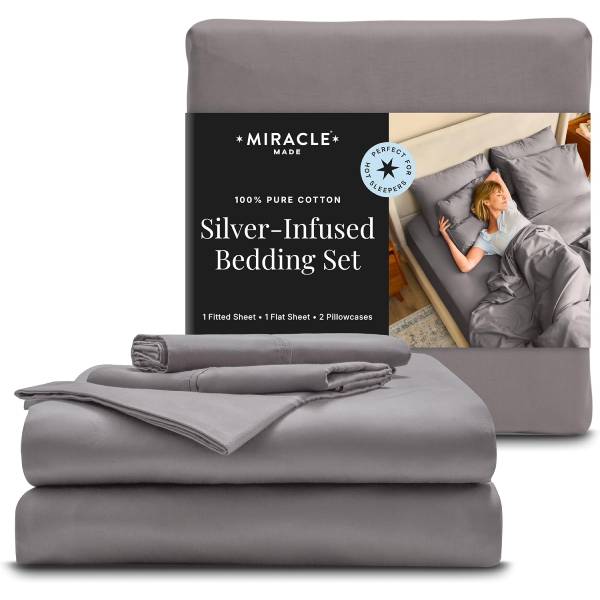
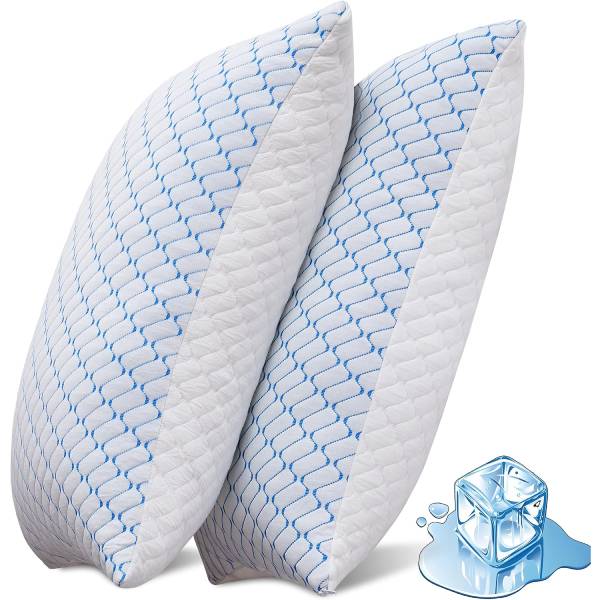
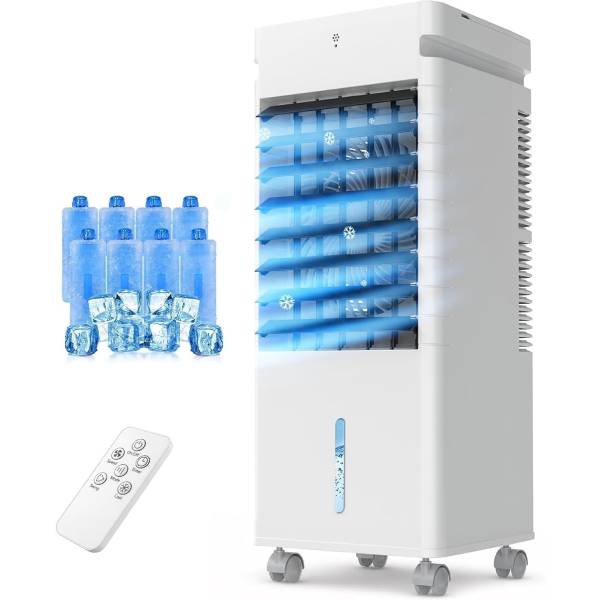
Yes. Use breathable cotton sheets underneath, skip the comforter, choose a pillow designed to stay cool, and keep air moving with a fan or portable cooler.
If you're between two weights or fabrics, choose the lighter, more breathable option — you can always layer a throw on top in winter.
Weighted blankets aren't suitable for infants or toddlers, and children should only use one with a pediatrician's guidance. If you have a breathing, circulation or sleep-related health condition, consult your doctor first.